
Smooth Surfaces Through Scenic Converted Corridors
Rail Trail Bike Tours in Madison for cyclists who prefer reduced vehicle traffic and routes passing through forests and small towns
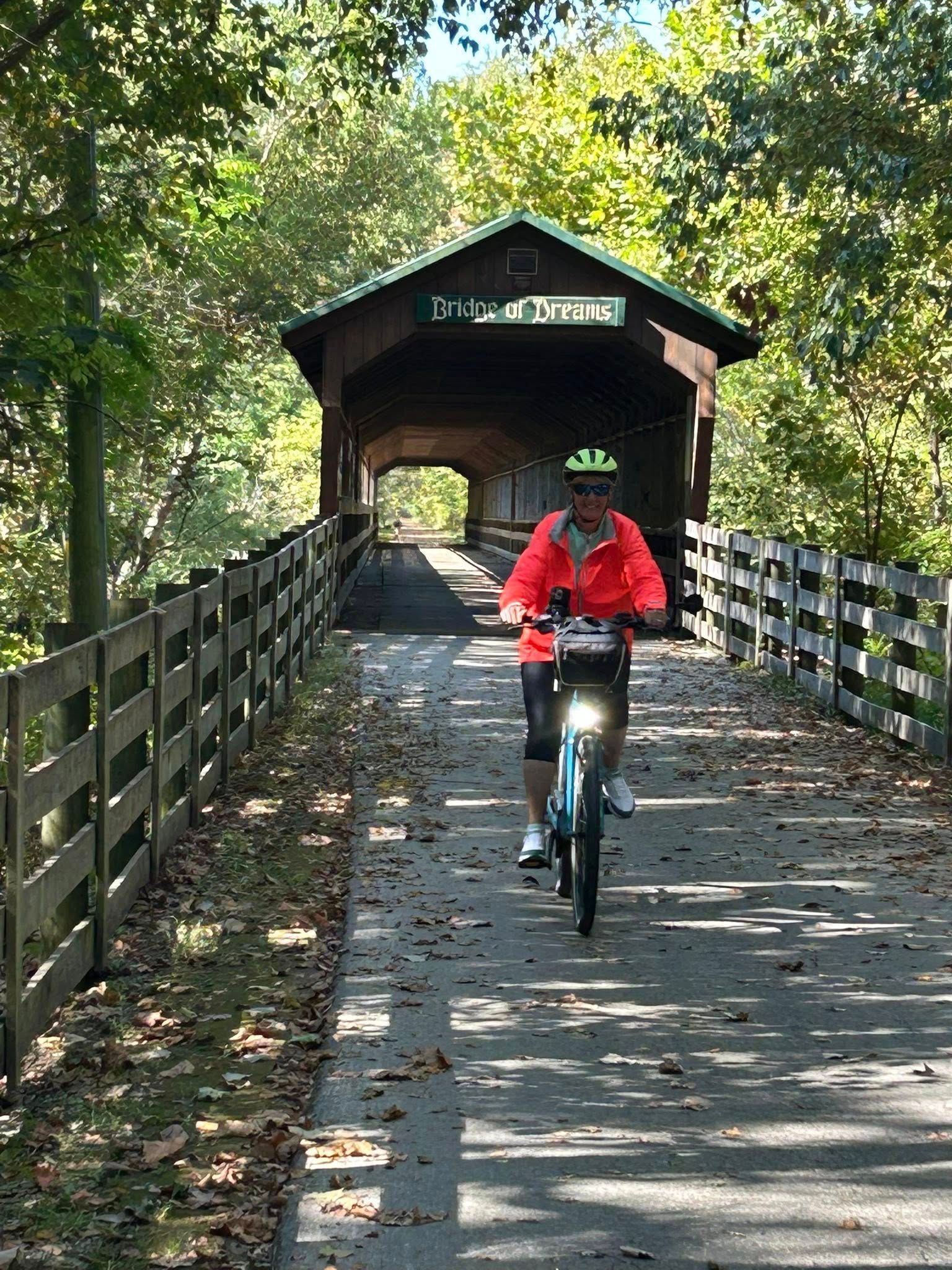
Converted rail corridors provide cycling routes with smoother surfaces and gentler grades than many traditional road networks, as rail lines were engineered to minimize elevation changes for freight trains. Bike Tour Vacations LLC leads tours along these trails, which pass through forests, river crossings, open countryside, and small towns while keeping you separated from highway traffic for most of the ride. Rail trails appeal to recreational and casual cyclists who prioritize scenery and reduced vehicle interaction over distance or speed, though experienced riders also use them for steady-paced training rides without frequent stops for traffic signals or navigation decisions.
These tours follow established trails with consistent surfacing, often crushed limestone or asphalt, and include stops at historical markers, local businesses, and natural landmarks along the corridor. Guides provide context about the rail line's history, the communities it connected, and the regional features visible from the trail, which adds narrative depth to the riding experience.
Explore featured rail trail itineraries to compare routes, distances, and departure options.
How Rail Trails Differ From Traditional Road Routes
Rail trails eliminate many hazards common on road cycling routes, including high-speed vehicle traffic, narrow shoulders, and unpredictable driver behavior, because the converted corridors are physically separated from automobile roadways. You encounter fewer interruptions from traffic signals, stop signs, and turns, allowing for longer uninterrupted riding segments that maintain consistent speed and cadence without frequent deceleration.
Once you ride a rail trail tour, you notice the reduced mental fatigue compared to road cycling, as you spend less time monitoring vehicle positions, scanning for opening car doors, or reacting to sudden lane changes. The predictable surface and traffic-free environment allow you to focus on conversation, scenery, and pacing rather than defensive riding strategies necessary on shared roadways.
Support services on rail trail tours include vehicle access at trailheads and crossing points, mechanical assistance, and planned stops in towns along the route where dining and rest facilities are available. Trails often lack immediate vehicle access for stretches of several miles, so support timing is coordinated around intersections where the trail crosses roads or passes through communities.
What Riders Want to Know About Rail Trail Experiences
Cyclists considering rail trail tours typically ask about surface conditions, traffic levels, and how these routes compare to traditional road rides.
What type of bike works best for rail trail surfaces?
Hybrid bikes, touring bikes, and road bikes with slightly wider tires handle crushed limestone and asphalt rail trail surfaces effectively, while narrow high-pressure road tires can struggle with loose gravel sections occasionally present on less-maintained trails.
How much vehicle traffic will I encounter on a rail trail tour?
Rail trails are designed to minimize vehicle crossings, though you will cross roads at intervals, and some urban trail sections share space with pedestrians and runners, requiring awareness but far less interaction than riding on open roadways throughout the Great Lakes and Mid-Atlantic regions.
What scenery and landmarks are typical on converted rail corridors?
Trails pass through forests, wetlands, agricultural areas, and small towns, with bridges crossing rivers and streams, historical rail structures like trestles and depots, and access to local parks and nature preserves along the route.
How do rail trail grades compare to traditional road climbs?
Rail corridors were engineered for trains, which cannot handle steep grades, so rail trails typically feature gradual inclines and declines that are easier for recreational cyclists to manage compared to hilly road routes common in many regions.
When is the best season to ride rail trails in Madison and surrounding areas?
Spring through fall offers the most favorable conditions, with summer providing full foliage and active wildlife, though early fall often delivers cooler temperatures and reduced trail congestion compared to peak summer weekends.
Organized support and logistics are provided throughout each rail trail tour, allowing you to focus on riding rather than navigation or mechanical concerns. Bike Tour Vacations LLC handles route planning, trailhead access, and coordination with local services along the corridor.